Pool House with Bathroom and Changing Room: Is It Worth Adding?
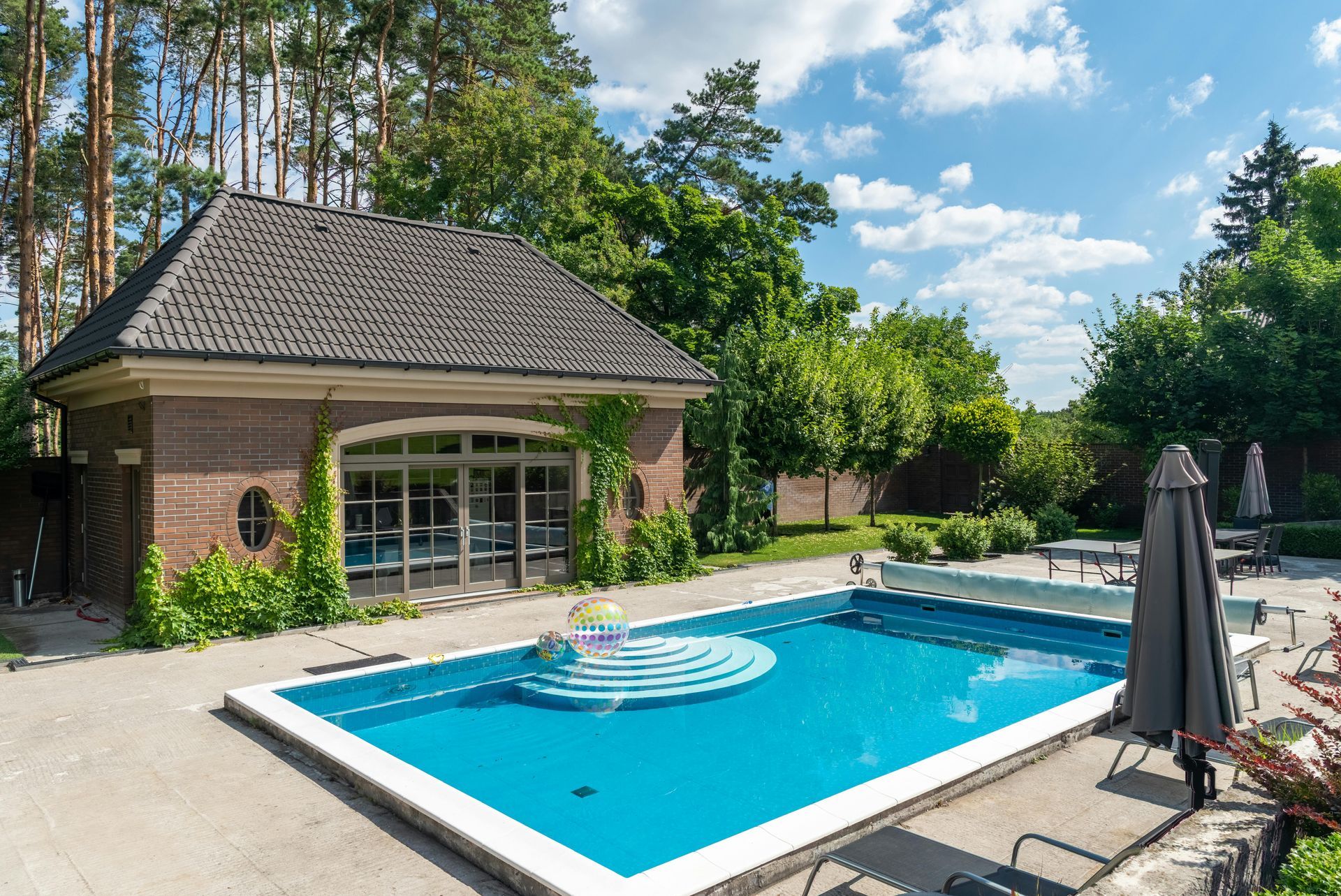
For many homeowners, a pool is only one part of the larger backyard plan. Once the pool itself is underway, the next question often becomes how the space will function day to day. A pool house with a bathroom and changing room can make the difference between a pool area that looks complete and one that works well for family, guests, and regular use.
If you are considering a pool house design Pittsburgh homeowners can rely on for long-term outdoor living, it is reasonable to ask whether the added structure is worth the investment. A pool house requires planning, space, utilities, and coordination with the rest of your property. However, when designed correctly, it can solve many practical issues associated with owning a pool.
For families, frequent hosts, and homeowners investing in a custom pool installation, a pool house is often less about luxury and more about convenience. It helps keep wet traffic out of the home, gives guests a private place to change, and supports a more organized outdoor living space.
This guide breaks down what a pool house with a bathroom and changing room includes, the benefits it can offer, and the design factors Pittsburgh homeowners should consider before moving forward.
What is a Pool House with a Bathroom and a changing room?
A pool house is a separate or attached structure located near the pool area that supports swimming, entertaining, storage, and outdoor relaxation. The size and layout can vary widely depending on the property, the pool design, and the homeowner's goals.
A basic pool house may include simple storage for towels, pool equipment, floats, and outdoor furniture cushions. A more complete design may include a bathroom, a changing area, a shower, seating space, a kitchenette, or a covered lounge area. For homeowners who want the backyard to function as a true extension of the home, a fully equipped pool house can make the pool area more comfortable and easier to use.
A pool house with a bathroom and changing room typically includes at least a half bath, a private changing area, storage, and some covered or enclosed space. Some homeowners also choose to add a small seating area where guests can relax out of the sun or where children can take a break between swimming.
The main difference between a simple structure and a fully equipped pool house is utility. A small storage shed can help organize supplies, but it does not address issues such as restroom access, privacy, or indoor traffic. A more complete pool house design supports how people actually use the pool area throughout the season.
For homeowners planning a custom pool house design, these details should be considered early. The best layout depends on the pool's size, the yard's shape, the distance from the main house, and how the space will be used.
The Biggest Benefits for Homeowners
Privacy for Family and Guests
One of the most practical reasons to add a pool house is privacy. Without a designated changing area, family members and guests often need to walk through the home in wet clothes to use a bathroom or change. This can be inconvenient, especially during parties, family gatherings, or weekends when children have friends over.
A private changing space allows guests to stay comfortable without needing access to bedrooms, bathrooms, or other personal areas inside the home. It also helps homeowners keep indoor spaces separate from outdoor activity.
For families who entertain often, this can make hosting feel more manageable. Guests have a clear place to change, use the restroom, or freshen up without interrupting the flow of the home.
Convenience and Everyday Use
Convenience is one of the strongest arguments for adding a bathroom and a changing room to a pool house. During pool season, people use the restroom frequently, change in and out of swimwear, grab towels, and move between swimming and relaxing.
When all of those needs are handled near the pool, the space becomes easier to use. Children do not need to run through the house with wet feet. Guests do not need to ask where to change. Parents can keep towels, sunscreen, pool toys, and dry clothes in one organized location.
This is especially helpful for families with children. A nearby restroom can reduce interruptions and make supervision easier. Instead of sending kids inside repeatedly, the most-used features are right where the activity is happening.
Reduced Traffic Through Your Home
A pool naturally creates more foot traffic. Wet feet, grass, mud, chlorine, sunscreen, and debris can all make their way indoors when the only bathroom or changing area is inside the house.
Over time, this can contribute to wear on flooring, rugs, furniture, and entryways. Even with careful guests and family members, frequent back-and-forth movement can make it harder to keep the home clean during peak pool season.
A pool house helps contain outdoor activity. Towels, swim gear, and wet clothing can stay near the pool instead of being carried through the home. This is not only convenient but also helpful for protecting interior finishes and reducing cleanup.
Better Experience for Entertaining
For homeowners who entertain frequently, a pool house can make gatherings more comfortable and organized. Guests can use the restroom, change clothes, and access towels without going inside. This keeps the gathering centered around the outdoor space.
A well-planned pool house also pairs well with outdoor kitchens, patios, covered seating, fire features, and dining areas. When these elements are coordinated, the backyard can function as one connected outdoor living environment.
For many homeowners exploring outdoor living spaces, the pool house becomes part of a larger design strategy that families can enjoy throughout the year. It supports the pool, but it can also support dining, relaxing, and entertaining beyond swimming alone.
Year-Round Usability
Although a pool house is closely tied to summer, it can add value year-round. Depending on the design, it may serve as storage during colder months, a changing area for hot tub use, a restroom for outdoor gatherings, or a support space for fall entertaining.
In Pittsburgh, where outdoor living often shifts with the seasons, flexibility matters. A pool house that is integrated with patios, covered seating, lighting, and hardscaping can remain useful after the pool is closed.
This is one reason homeowners often view a pool house as part of a broader outdoor living plan rather than a standalone feature.
Design Considerations for Pool Houses in Pittsburgh
A successful pool house starts with practical planning. Before choosing finishes or layout details, homeowners should carefully consider how the structure will fit within the yard, connect to utilities, and withstand Pittsburgh's weather.
Layout and Size
The pool house should match the scale of the pool and property. A structure that is too large can overwhelm the backyard, while one that is too small may not provide enough space for the features homeowners actually need.
The layout should account for traffic flow between the pool, patio, house, and other outdoor features. Ideally, the bathroom and changing room should be easy to access from the pool without creating congestion around seating areas or walkways.
Homeowners should also consider what needs to be stored inside. Towels, pool equipment, furniture cushions, cleaning supplies, and children's pool toys all require space. If the pool house will include seating, a shower, or a kitchenette, those features need to be planned into the layout from the beginning.
Plumbing and Utilities
A bathroom requires a water supply, drainage, ventilation, and electrical planning. These details are easier to coordinate when the pool house is designed during the pool installation process rather than added later.
This is one reason many homeowners benefit from working with a team experienced in
professional pool installation. When the pool, grading, drainage, plumbing, electrical work, and surrounding hardscaping are considered together, the finished space is more likely to function correctly.
Utility planning should also account for lighting, outlets, heating, and ventilation needs, as well as any future upgrades. Even if homeowners do not add every feature immediately, planning for utilities early may prevent limitations later.
Materials and Durability
Pittsburgh weather includes rain, humidity, freezing temperatures, snow, and seasonal temperature swings. A pool house should be built with materials that can handle moisture, temperature changes, and regular use.
Slip-resistant flooring is especially important in areas where people will walk with wet feet. Moisture-resistant wall materials, proper ventilation, and durable cabinetry can also help the space remain comfortable and easier to maintain.
Exterior materials should coordinate with the home while also standing up to the local climate. Roofing, siding, doors, windows, and trim should be selected with durability in mind, not only appearance.
Style and Integration
A pool house should feel connected to the rest of the property. The design does not need to match the home exactly, but it should complement the architecture, pool design, patio materials, and landscape plan.
This is especially important for high-end outdoor projects where the pool, hardscaping, landscaping, lighting, and structure are all visible together. A pool house that feels disconnected can make the backyard look pieced together.
Coordinating the pool house with walkways, retaining walls, planting areas, outdoor kitchens, and seating spaces can create a more cohesive result. For homeowners investing in custom outdoor living spaces, integration is one of the most important parts of the design process.
When a Pool House Makes the Most Sense
A pool house with a bathroom and changing room can be useful for many homeowners, but it is especially valuable in certain situations.
It often makes sense for larger families, especially when children and guests will use the pool regularly. The added restroom and changing space can reduce daily inconvenience and help keep the home cleaner.
It is also a strong fit for homeowners who entertain often. If the pool area is used for birthdays, cookouts, family gatherings, or neighborhood events, a pool house gives guests a practical place to change and use the restroom without entering the home.
Homes where the pool is highly visible from main living areas may also benefit. When the backyard is designed as an extension of the home, a well-integrated pool house can support the overall layout and keep the space organized.
A pool house is also worth considering for high-end custom pool projects.
When homeowners are already investing in a custom pool, patio, landscaping, and outdoor features, a pool house can elevate the entire space to the same level as the design.
Why Work with a Professional for Pool House Design?
A pool house may look simple from the outside, but it requires careful coordination. The structure must relate to the pool layout, drainage plan, utilities, grading, hardscaping, and landscape design. Without a professional plan, homeowners may encounter problems with poor placement, awkward traffic flow, inadequate water management, or limited functionality.
Professional design is especially important when plumbing and electrical systems are involved. A bathroom near the pool must be planned properly to support long-term use. Drainage around the pool house and patio must also be addressed to prevent water from collecting near the structure and causing maintenance problems.
Working with an experienced outdoor living and pool design team can help homeowners avoid treating each feature as a separate project. Instead, the pool, pool house, patio, landscaping, and supporting features can be planned together.
For homeowners researching pool house design services in Pittsburgh, this integrated approach matters. Pittsburgh properties often include slopes, tight yard layouts, drainage concerns, and seasonal weather conditions that affect outdoor construction. A professional can help make sure the design fits the property, not just the wish list.
The right plan should support everyday use first. A pool house should be easy to access, simple to maintain, and durable enough for regular use. It should also complement the backyard's broader design so the finished space feels intentional.
Is a Pool House with a Bathroom and Changing Room Worth It?
For many homeowners, a pool house with a bathroom and changing room is worth considering because it solves practical problems. It gives guests privacy, keeps wet traffic out of the home, supports entertaining, and makes daily pool use more convenient.
The value is strongest when the pool house is planned as part of a complete outdoor living design. Rather than treating it as an afterthought, homeowners should consider how it fits with the pool, patio, landscaping, seating areas, and the property's long-term use.
If you are planning a custom pool or upgrading your backyard, Paladina Pools can help you evaluate whether a pool house belongs in your overall design. With thoughtful planning, your pool area can become more functional, organized, and enjoyable for everyday use.
To explore how a pool house could fit into your broader outdoor living spaces plan, contact Paladina Pools to start a conversation about your property, goals, and design options.

Author: Matt Paladina
Matt Paladina, founder of Paladina Landscape Design Build and Paladina Pools, began his journey in 2006 with a small pickup truck and a big vision. Over the years, he has grown his business from basic lawn care to creating custom outdoor living spaces and pools, earning a reputation for innovative design and exceptional craftsmanship.