Pavilion Installation Pittsburgh: Why Homeowners Add Pavilions to Poolside Entertaining Areas
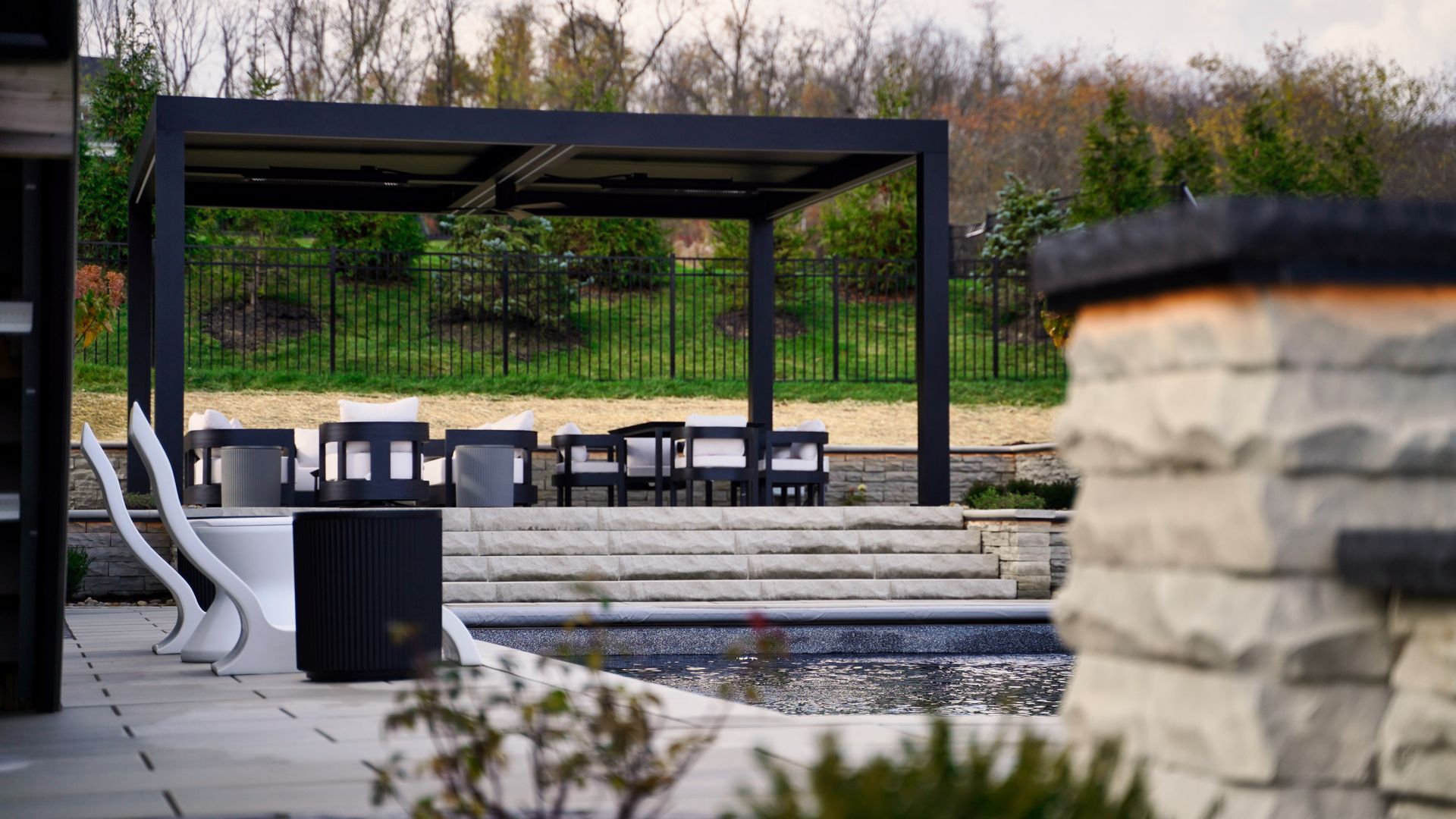
A pool may be the visual centerpiece of a backyard, but that does not always mean the space feels complete. Many homeowners find that once the pool is finished, they still need a comfortable place to sit, gather, eat, or take a break from the sun without leaving the action behind.
That is one reason pavilion installation in Pittsburgh has become an important part of outdoor living design. A pavilion is not simply a covered structure placed near the pool. When it is planned well, it becomes part of how the entire backyard works. It provides a place to relax in the shade, makes entertaining easier, and helps the pool, patio, and surrounding hardscape feel like a cohesive environment.
For homeowners investing in a custom outdoor space, a pavilion often fills the gap between a backyard that looks nice and one that feels easy to use.
Why Add a Pavilion Near a Pool?
The most obvious reason homeowners add a pavilion near a pool is comfort. Even the best-designed patio can become hard to enjoy in direct sun for long periods, especially during gatherings that last all afternoon or into the evening. A pavilion creates relief without pulling guests away from the pool area.
It also adds flexibility when the weather changes. Light rain, strong sun, or warmer summer afternoons can make an open entertaining area feel less practical. A covered structure gives homeowners a place to continue using the space without constantly adjusting plans.
There is also a social reason pavilions work so well around pools. Not everyone wants to be in the water the entire time. Some guests want to sit nearby, talk, eat, watch children swim, or relax in a shaded spot. A pavilion provides a comfortable destination that still feels connected to the activity.
From a design standpoint, a pavilion adds structure to a backyard. A pool and patio alone can sometimes feel visually open-ended, especially on larger properties. A pavilion helps define the entertaining zone and gives the overall layout a stronger sense of balance.
How a Pavilion Improves Poolside Entertaining
One of the biggest advantages of a pavilion is that it turns the pool area into more than a place to swim. It creates a secondary destination within the backyard, which is often what makes entertaining feel smoother and more intentional.
For some homeowners, that means creating an outdoor dining area where family and guests can eat comfortably without bringing food back inside. For others, it means a lounge-style setup with deep seating, side tables, and lighting that supports evening conversation. In either case, the pavilion helps establish a dedicated place to gather.
It can also support features that make hosting easier. A pavilion may include a bar area, a beverage station, a serving counter, or a direct connection to an outdoor kitchen. It can be designed for casual afternoons by the pool or for more structured entertaining when friends and family visit.
Some homeowners also use the pavilion as a place for mounted entertainment, such as an outdoor television or a focal wall for seating. Others prefer a quieter arrangement built around dining, reading, or simply stepping out of the sun.
The key is that the pavilion provides a defined setting for those activities. Rather than placing furniture on an open patio and hoping the space functions well, homeowners are creating an area designed for use from the beginning.
As homeowners think through how they want the full backyard to function, it can also be helpful to look at broader outdoor living trends for fall, especially when designing a space meant to remain useful beyond peak swimming season.
Why a Pavilion Feels More Complete Than an Open Patio
Open patios still play an important role in backyard design, especially around pools where sun exposure is often part of the experience. But a pavilion adds something a patio alone cannot provide: overhead definition.
That overhead structure changes how the space feels. It signals that this is not just extra patio square footage. It is a destination with a purpose. That sense of enclosure, even in an open-air environment, can make the backyard feel more finished and easier to use.
A pavilion also contributes architectural character. It introduces scale, proportion, and material detail in a way that helps connect the outdoor space back to the home. Done well, it feels like part of the property rather than an afterthought.
There is a practical benefit, too. A pavilion often makes the entertaining area more usable through a longer portion of the season. Shade, fans, lighting, heaters, and nearby features such as a fireplace all become easier to integrate when there is a permanent structure in place.
For homeowners comparing options, that difference matters. A patio supports outdoor use. A pavilion shapes it.
Features That Make a Poolside Pavilion Feel Thoughtfully Designed
A pavilion does not need to be oversized to feel substantial, but the details matter. The features included under and around the structure often determine whether it feels like a basic cover or a well-designed part of the property.
Finished ceiling details can add warmth and depth overhead, especially when the pavilion is meant to be viewed from the house, pool, and surrounding patio. Integrated lighting makes the space more useful in the evening and helps create a comfortable atmosphere without relying on temporary fixtures.
Ceiling fans are another common addition because they improve comfort during warmer weather while keeping the space visually clean. Mounted heaters can extend the season even further, especially for homeowners who want to use the area in spring and fall.
Materials also play a major role. Custom wood or stone finishes can help the pavilion relate to the home, the hardscape, and the surrounding landscape design. That coordination is often what separates a cohesive backyard from one that feels assembled piece by piece.
In many projects, the pavilion becomes even more functional when paired with nearby elements such as an outdoor kitchen, a built-in dining area, a bar setup, or a fire feature. Those combinations support hosting in a practical way while giving the structure a clear purpose within the yard.
Where a Pavilion Should Be Placed in a Backyard Design
Placement has a major impact on a pavilion's usefulness. A structure that looks good on paper may not work as well if it interrupts circulation, blocks important views, or feels disconnected from the pool.
Sightlines are one of the first considerations. In many cases, homeowners want to sit under the pavilion and still watch activity in the pool. That makes the area more comfortable for parents, hosts, and guests who want to stay engaged without standing in the sun.
The relationship to the house matters too. A pavilion should feel connected to the overall layout, whether that means creating a natural transition from the home to the pool or anchoring one side of the backyard composition. Distance affects convenience, especially when the structure will be used for dining, serving, or entertaining.
Circulation is another important design factor. The path between the house, patio, pool, and pavilion should feel natural. Guests should be able to move easily between spaces without crossing awkward gaps or congested zones.
Sun exposure, privacy, and property scale also matter. The right placement depends on how the yard receives light throughout the day, where neighboring views come into play, and how large the pavilion should feel in relation to the rest of the project.
This is one reason homeowners often benefit from working with a team that looks at the entire site rather than treating the pavilion as a standalone add-on.
Why It Helps to Plan a Pavilion and Pool Together
One of the most effective ways to achieve a cohesive result is to plan the pavilion and pool as part of a single overall project. When both are considered from the start, the layout works better because the space is designed as one environment rather than a series of separate upgrades.
That affects everything from proportions and transitions to materials and utilities. Hardscape connections can feel cleaner. Drainage, lighting, and electrical needs can be addressed early. The pool, patio, and pavilion can relate to one another more intentionally.
It also helps create stronger architectural consistency. The structure can echo the home, complement the poolscape, and feel integrated with the overall backyard rather than placed wherever space happened to remain.
For homeowners planning a larger outdoor investment, early coordination can also make the process more efficient. If you are still considering the broader timeline and sequencing of a backyard transformation, review how long it takes to complete a custom pool project.
When the pavilion is part of the larger design conversation from the beginning, the finished result is usually more comfortable, more functional, and easier to enjoy over time.
A Pavilion Can Help a Backyard Feel More Livable
A pool may draw people outside, but a pavilion often helps them stay. It creates a place to gather, adds comfort close to the water, and gives the backyard a stronger sense of purpose and completion.
For homeowners considering pavilion installation in Pittsburgh, the value lies beyond adding shade. It is in creating a more usable outdoor environment where the pool, patio, and entertaining spaces all work together.
Considering a pavilion as part of your pool or outdoor living project? Paladina Pools designs custom outdoor environments that bring structure, comfort, and lasting value to the backyard experience. Request a consultation to start planning your space.

Author: Matt Paladina
Matt Paladina, founder of Paladina Landscape Design Build and Paladina Pools, began his journey in 2006 with a small pickup truck and a big vision. Over the years, he has grown his business from basic lawn care to creating custom outdoor living spaces and pools, earning a reputation for innovative design and exceptional craftsmanship.