Custom Pool and Spa Installation Pittsburgh: Why Integrated Spas Should Be Planned Early
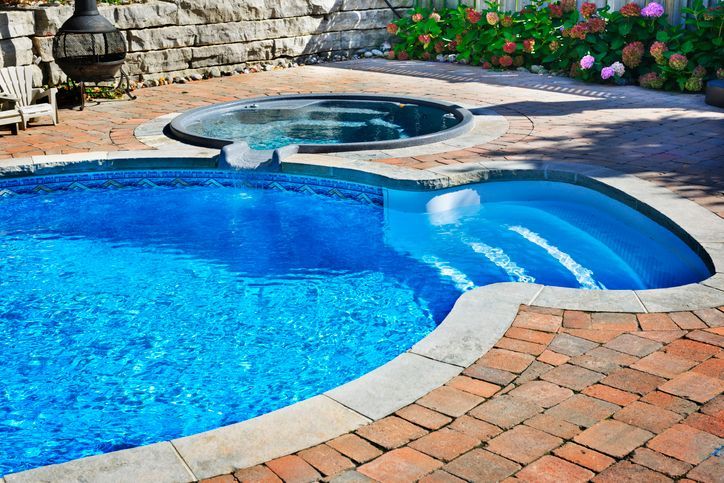
When homeowners begin planning a custom pool, the spa is sometimes treated as an optional add-on. It may come up after the pool shape, patio layout, landscaping, and water features are already in motion. While that approach can work in some situations, it often limits what the final design can become.
An integrated spa is not just a separate feature placed near the pool. When designed thoughtfully, it becomes part of the pool's structure, circulation system, visual layout, and outdoor living experience. Its placement can affect how people move through the space, how the pool looks from the home, how efficiently the water is heated, and how well the finished project supports daily use.
For homeowners researching pool and spa installation in Pittsburgh, early planning is especially important. Many properties in the Pittsburgh area include slopes, wooded views, existing patios, retaining walls, or unique lot shapes. These factors can influence where a spa should be placed, how it should connect to the pool, and which construction details should be considered from the beginning.
Paladina Pools helps homeowners think through these decisions before construction begins. By planning the spa during the early design phase, homeowners can create a more cohesive pool environment that looks intentional, functions smoothly, and supports long-term enjoyment.
What Is an Integrated Spa?
An integrated spa is one that is designed as part of the pool environment rather than installed as a separate hot tub. It may share structural elements, plumbing, heating, automation, and visual materials with the pool. Instead of feeling like a separate product placed beside the water, it becomes part of the overall design.
This is different from a standalone hot tub, which is typically manufactured off-site and installed above ground or on a prepared pad. Standalone hot tubs can serve a purpose, but they usually have their own shell, equipment, cover, and appearance. They may not match the pool materials, elevation, or surrounding hardscaping.
Integrated spas are custom-designed to fit the pool and property. They can be built in a variety of styles, depending on the homeowner's goals and the site conditions. Common options include spillover spas, raised spas, infinity-edge spas, attached spas, and detached layouts.
A spillover spa allows water to flow from the spa into the pool. This creates movement and sound while also visually connecting the spa to the pool. A raised spa sits slightly above the pool level, adding dimension and making it a focal point. An infinity-edge spa creates a clean, modern look and can work especially well when the property has a view.
Some spas are attached directly to the pool, while others are positioned nearby, with a separate walkway or a surrounding patio. Both approaches can work well, but the right choice depends on the yard's layout, the home's architecture, privacy needs, and how the homeowner plans to use the space.
Why Spa Planning Should Happen Early in the Design Process
Planning an integrated spa early allows the entire project to be designed as one complete outdoor living environment. When the spa is included from the beginning, the pool shape, excavation plan, plumbing system, heater sizing, patio layout, and visual details can all work together.
When a spa is added later, the design team may need to work around decisions that have already been made. This can limit placement options, increase construction complexity, and make the finished spa feel less connected to the original pool.
Early planning gives homeowners more control over both the appearance and performance of the space.
Structural Integration
An integrated spa often shares systems with the pool. This may include plumbing, heating, electrical components, automation, and equipment placement. Because these systems require careful planning, the spa should be considered before excavation and structural work begin.
The location of the spa can affect the excavation plan, concrete work, steel reinforcement, equipment pad layout, and plumbing routes. If the spa is raised or features a spillover edge, the structure must support that design from the beginning.
Early planning also helps with construction sequencing. Contractors can coordinate excavation, forming, plumbing, and hardscaping more efficiently when the spa is already part of the design. This can reduce the need for rework and help avoid disruptive changes later in the project.
Better Visual Balance
A spa can significantly impact how the pool looks. Its size, shape, elevation, and placement all influence the overall design's balance.
For example, a spa placed at one end of the pool may create a strong focal point from the patio or home. A centered spa can create symmetry. A spa tucked into a corner may support privacy while keeping the main swimming area open. Each choice changes the way the space feels.
Early planning allows the designer to consider sightlines from inside the home, from outdoor seating areas, and from key entry points around the yard. This is especially useful for homeowners who want the pool to feel like a natural extension of the home rather than an entirely separate feature in the yard.
Spa placement also affects surrounding hardscaping and landscaping. Patios, retaining walls, planting beds, outdoor kitchens, fire features, and walkways all need to relate to the pool and spa. When these elements are planned together, the final result feels more unified.
Improved Heating and Circulation Design
Heating and circulation are important parts of spa performance. Because spas are used differently from pools, they often need higher water temperatures, targeted jet placement, and efficient water movement.
Planning the spa early helps the designer determine the right heater size, plumbing layout, pump configuration, and equipment setup. These decisions can affect comfort, energy use, and long-term maintenance.
A well-planned spa should heat efficiently and circulate properly. It should also be easy to control. Many homeowners want automation features that let them adjust spa temperature, jets, lighting, and water features from a control panel or a mobile device. These systems are easier to integrate when they are part of the original design.
If the spa is added after the pool system has already been planned, the existing equipment may not be ideal for the additional demand. That can lead to compromises or added expense.
More Functional Layouts
A spa should be easy to use and comfortable. This means its location should make sense in relation to the home, patio, seating areas, and other outdoor living features.
For many homeowners, the spa is used in the evening, during cooler months, or while entertaining. Placement matters. A spa that is too far from the house may be less convenient in colder weather. A spa that is too close to a busy walkway may feel exposed. A spa that is disconnected from seating areas may not support conversation or gathering.
Early planning allows homeowners to think about how the space will actually be used. Will adults use the spa while children swim nearby? Should the spa be visible from the kitchen or the living room? Is privacy important from neighboring properties? Should it connect directly to a covered patio or outdoor fireplace?
These questions are easier to answer before the design is finalized.
Popular Integrated Spa Designs for Luxury Pools
Integrated spas can be designed in many ways. The best choice depends on the homeowner's style, the property's layout, and the homeowner's goals for the space.
Spillover Spas
A spillover spa is one of the most common integrated spa designs. In this layout, water flows from the spa into the pool through a spillway or edge detail. The moving water adds sound, texture, and visual interest.
A spillover spa can also function as part of the pool's water feature design. The edge may be clean and modern, or it may be built with stone or tile for a more natural appearance. For homeowners who want the spa to contribute to the atmosphere of the pool area, this can be a practical and attractive choice.
Spillover spas work especially well when paired with other custom water features. When the spillover, pool shape, lighting, and surrounding materials are designed together, the spa can feel like a natural part of the overall setting.
Elevated Spas
An elevated spa sits above the pool level. This added height can create a focal point and add more dimension to the pool area. It can also help define the spa as a separate relaxation zone while still keeping it connected to the pool.
Elevated spas are often a good fit for sloped yards. Many Pittsburgh-area properties have elevation changes, and a raised spa can sometimes work with the land's natural grade. Instead of forcing the yard into a flat layout, the design can use elevation to create interest and improve function.
The height of the spa should be planned carefully. It needs to look balanced with the pool, patio, retaining walls, and surrounding landscape. If it is too high or placed awkwardly, it may feel disconnected. When designed early, an elevated spa can become one of the most visually organized parts of the project.
Infinity-Edge Spa Designs
An infinity-edge spa creates the appearance of water flowing over one or more edges. This style is often used in modern pool designs and works well on properties with scenic views or dramatic elevation changes.
The success of an infinity-edge spa depends heavily on planning. The edge detail, catch basin, plumbing, circulation, and elevation all need to be coordinated carefully. This is not the kind of feature that should be added casually late in the process.
When planned early, an infinity-edge spa can help frame a view and create a clean transition between the pool area and the surrounding landscape.
Spa and Waterfall Combinations
Some homeowners choose to combine a spa with a waterfall feature. This can add movement, sound, and visual depth to the pool area. It also helps connect the spa to natural stonework, retaining walls, or landscape beds.
A waterfall should be designed with scale in mind. It needs to fit the pool, the spa, and the property. A feature that is too large can overwhelm the layout, while one that is too small may feel like an afterthought.
When homeowners are interested in adding a waterfall to their pool, the spa should be included in that conversation early. This allows the designer to coordinate water movement, materials, plumbing, and focal points from the beginning.
Placement Considerations That Affect the Final Design
Spa placement is one of the most important decisions in the pool design process. A spa can be beautiful and well-built, but if it is poorly placed, it may not support the homeowner's intended use of the space.
Visibility from the Home
Many homeowners want to enjoy the view of the pool and spa from inside the home. This can be especially valuable during seasons when the pool is not in use every day.
A spa can add visual interest year-round, especially when paired with lighting, water movement, and surrounding landscaping. Placing it within a clear sightline from the kitchen, living room, or primary outdoor seating area can make the whole backyard feel more connected to the home.
Sun and Wind Exposure
Comfort matters in spa design. Sun exposure, shade, and wind patterns can all affect how the spa feels during use.
A spa placed in a windy area may lose heat more quickly or feel less comfortable in cooler months. A spa placed in full sun may be pleasant during some parts of the year, but too exposed during hot afternoons. Nearby structures, trees, pergolas, privacy screens, and landscaping can all influence comfort.
These factors should be considered early so the spa can be placed in a location that supports year-round use as much as possible.
Traffic Flow Around the Pool
A spa should not interrupt the natural movement around the pool area. Homeowners and guests should be able to walk comfortably between the house, patio, pool steps, seating areas, outdoor kitchen, and other features.
If the spa is placed too close to a main walkway or pool entrance, the area may feel crowded. If it blocks access to seating or creates a narrow passage, it can make the outdoor space less functional.
Planning the spa early allows the designer to coordinate traffic flow before the patio and hardscape layout are finalized.
Integration with Outdoor Living Spaces
Many custom pool projects are part of a larger outdoor living plan. Homeowners may also be considering patios, outdoor kitchens, pergolas, fire pits, fireplaces, cabanas, lighting, retaining walls, and landscape design.
The spa should relate to these features. For example, a spa near a covered patio may be convenient in cooler weather. A spa near an outdoor fireplace can create a comfortable gathering area for an evening. A spa positioned near an outdoor kitchen may work well for entertaining, but it should still allow enough space for movement and seating.
Early design planning helps each feature support the others instead of competing for space.
Common Mistakes Homeowners Make When Adding a Spa Later
Adding a spa after the pool design is already complete can create several challenges. While it may still be possible, the final result often comes with more limitations.
One common issue is limited placement. Once the pool shell, patio, plumbing, and landscaping are designed or installed, there may only be a few places where a spa can fit. These locations may not offer the best views, privacy, or access.
Another issue is cost. Adding a spa later can require additional excavation, plumbing work, electrical updates, equipment changes, or hardscape modifications. Work that could have been handled efficiently during the original construction may become more complicated once other features are already in place.
Material matching can also be a challenge. Tile, coping, stone, concrete, and patio materials may be harder to match later. Even small differences in color, texture, or elevation can make the spa look less connected to the pool.
Design consistency is another concern. A spa added later may not align with the pool's shape, symmetry, sightlines, or surrounding landscape. Instead of looking like part of the original plan, it may appear separate from the main design.
These issues are not always obvious at the start of a project. That is why early planning is helpful. Homeowners do not need to know every detail before speaking with a designer, but they should discuss the possibility of a spa before the pool layout is finalized.
Why Integrated Spas Increase Long-Term Value
An integrated spa can add long-term value to a custom pool project by improving usability, comfort, and overall appeal.
For many homeowners, a spa extends the use of the outdoor space beyond traditional swimming weather. While the pool is most often used in warmer months, the spa can be appealing on cooler evenings and in the shoulder seasons. This can make the backyard feel more useful throughout more of the year.
A spa can also support wellness and relaxation. Many homeowners value a space where they can unwind, spend time with family, or entertain guests in a more comfortable setting.
From a resale perspective, an integrated spa can make the outdoor living area feel more complete. Buyers looking at higher-end homes often pay attention to the quality and cohesion of outdoor spaces. A pool and spa that are designed together may feel more intentional than a pool with a separate hot tub added later.
The value of an integrated spa depends on design quality, construction, placement, and how well it fits the property. Early planning helps protect that value by ensuring the spa supports the overall project rather than becoming an afterthought.
Why Work with an Experienced Pool and Spa Designer?
A custom pool and spa project involves more than selecting a shape and choosing finishes. It requires coordination between design, excavation, plumbing, heating, electrical systems, hardscaping, drainage, lighting, and landscaping.
An experienced pool and spa designer can help homeowners understand how each decision affects the final look. This includes practical details, such as equipment placement and heater sizing, as well as design considerations, such as views, symmetry, privacy, and movement through the space.
For properties in Pittsburgh and the surrounding areas, site conditions can add another layer of planning. Slopes, soil conditions, existing structures, mature trees, and drainage patterns can all affect the design. A thoughtful plan takes these conditions into account before construction begins.
Paladina Pools specializes in custom luxury pool layouts tailored to the property. By bringing spa planning into the early design process, the team can help homeowners create a pool environment that feels cohesive, comfortable, and built around the way they plan to live outdoors.
Start Planning Your Integrated Pool and Spa Design
An integrated spa can be one of the most enjoyable parts of a custom pool project, but it should be carefully planned. Its placement, structure, plumbing, heating, materials, and relationship to the rest of the yard all affect the outcome.
When the spa is included early in the design process, homeowners have more flexibility. They can create a layout that looks balanced, functions efficiently, and supports long-term use. They can also avoid some of the common challenges that come with adding a spa after the pool design is already underway.
For homeowners considering pool and spa installation in Pittsburgh, early planning is a practical first step. Paladina Pools can help you think through the details and design a pool and spa environment that fits your home, your property, and your plans for outdoor living.
To begin discussing your project, schedule a consultation with Paladina Pools.

Author: Matt Paladina
Matt Paladina, founder of Paladina Landscape Design Build and Paladina Pools, began his journey in 2006 with a small pickup truck and a big vision. Over the years, he has grown his business from basic lawn care to creating custom outdoor living spaces and pools, earning a reputation for innovative design and exceptional craftsmanship.