Features That Make a Pavilion Feel High End
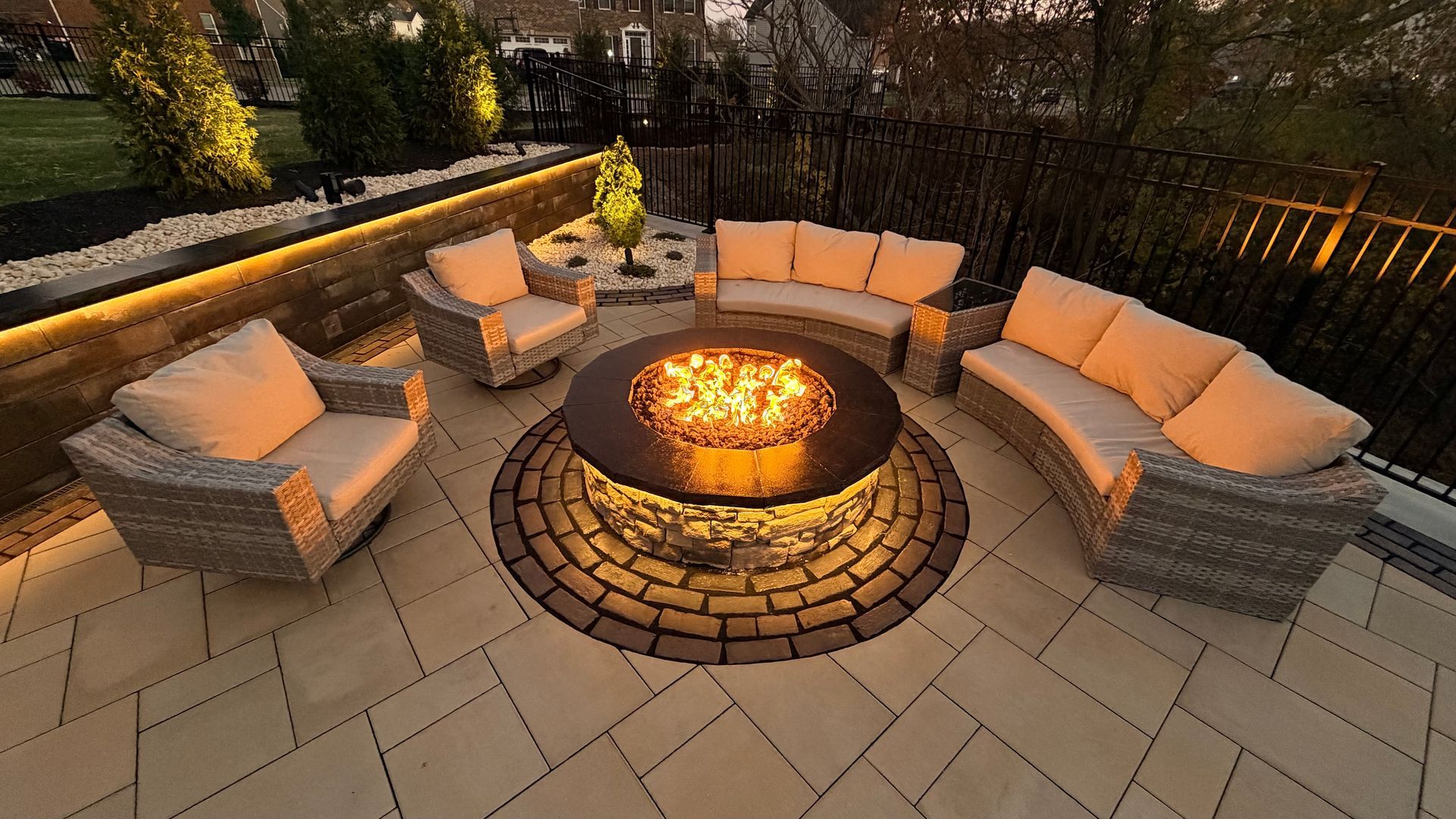
Outdoor living has become a top priority for many homeowners who want more usable space, greater comfort, and a better way to enjoy their property. A well-designed pavilion can help create that experience by offering shade, structure, and a dedicated place for relaxing or entertaining. For homeowners with pools, patios, outdoor kitchens, or landscaped backyard areas, a pavilion can also help tie the entire space together.
Modern pavilions have moved far beyond simple covered structures. Today, homeowners often want outdoor spaces that feel thoughtfully planned, comfortable, and visually connected to the rest of the home. Details such as lighting, ceiling finishes, fireplace placement, seating layout, and material selection can all influence how finished and high-end a pavilion feels.
When people search for pavilion installation near me, they are often looking for more than a basic structure. They want a space that feels intentional, fits their lifestyle, and enhances the way they use their backyard. Paladina Pools helps homeowners create outdoor living environments that are built around comfort, craftsmanship, and long-term enjoyment. By understanding which features make the biggest impact, homeowners can begin planning a pavilion that feels like a natural extension of their home.
Why Pavilion Design Matters in Outdoor Living Spaces
A pavilion should not feel like an isolated addition placed somewhere in the yard. When designed well, it should feel connected to the home, the pool, and the surrounding landscape. The best pavilion designs consider how people move through the space, where they gather, what views they enjoy, and how the pavilion will be used throughout the year.
Good design improves both appearance and function. A pavilion can provide shade during sunny afternoons, shelter during light rain, and a comfortable setting for meals, conversation, or quiet evenings outdoors. It can also help define a backyard by creating a central gathering point. For many homeowners, the pavilion becomes the anchor of the outdoor living area.
Pavilions pair especially well with pools, patios, pergolas, outdoor kitchens, and fire features. When these elements are planned together, the result feels more complete. A poolside pavilion, for example, may include lounge seating, ceiling fans, lighting, and a nearby grill area. A pavilion connected to a patio may be designed for dining, watching television, or gathering around a fireplace.
Homeowners considering a pavilion should also consider how it fits into the larger outdoor environment. Paladina Pools offers outdoor living services that help bring these different elements together. Instead of treating the pavilion as a standalone feature, professional design can ensure it integrates with the patio, landscaping, pool area, and the home's overall style.
Lighting Features That Create a More Finished Look
Lighting is one of the most important details in a pavilion design. It affects how the space looks, how comfortable it feels, and how easily homeowners can use it after sunset. Without proper lighting, even a well-built pavilion can feel unfinished or less practical in the evening.
Recessed Pavilion Lighting
Recessed lighting provides a clean, practical way to illuminate a pavilion. Because the fixtures sit in the ceiling, they provide useful light without drawing too much attention. This can be a good choice for homeowners who want a polished look that supports the space rather than overpowering it.
Recessed lights are helpful for dining areas, seating areas, and outdoor kitchens covered by a pavilion. They make it easier to prepare food, serve guests, and move around safely. The placement of recessed lighting should be planned carefully so the pavilion feels evenly lit without becoming too bright or harsh.
Accent and Landscape Lighting
Accent lighting helps highlight the surrounding features that make the outdoor area feel complete. This may include lighting along patios, walkways, retaining walls, plantings, steps, or seating walls. When a pavilion is part of a larger backyard design, accent lighting can visually connect the areas.
Landscape lighting also improves safety by making paths and transitions easier to see. Around a pavilion, this can be especially important if the space is near a pool, patio steps, or elevation changes. Thoughtful lighting can help the entire backyard feel more usable and comfortable in the evening.
Integrated Pool and Pavilion Lighting
For homes with pools, lighting should be planned across the full outdoor living area. Pool lighting, patio lighting, and pavilion lighting should work together rather than feel like separate design choices. This creates a more consistent look and makes the backyard easier to use after dark.
Integrated lighting can also improve nighttime visibility around the pool area. It can help define walkways, seating zones, and transitions between wet and dry spaces. Homeowners exploring design ideas can review these pool lighting ideas to understand better how lighting contributes to the overall outdoor experience.
Pendant Lights and Statement Fixtures
Pendant lights and statement fixtures can add personality to a pavilion without overwhelming the design. These fixtures work well over dining tables, bar seating, or central gathering areas. The key is choosing fixtures that match the pavilion's scale and style.
A fixture that is too large may feel distracting, while one that is too small may not provide enough visual impact. The right choice should support the pavilion's architecture and coordinate with other materials, such as wood beams, stone, metal accents, or outdoor kitchen finishes.
Outdoor Fireplaces and Fire Features
Fire features can make a pavilion feel warmer, more inviting, and more useful during cooler months. They also create a natural focal point for the space. Whether the design includes a full stone fireplace, a fire table, or nearby fire bowls, the placement and scale should match the way the homeowner plans to use the area.
Stone Fireplaces
A stone fireplace can bring structure and visual weight to a pavilion. It creates a clear gathering area and can help the space feel more like an outdoor room. When placed at one end of the pavilion, a fireplace can frame the seating area, creating a comfortable place for conversation.
The material selection should coordinate with the home and surrounding hardscaping. Stone, pavers, and other finishes should feel consistent with the rest of the property. This is especially important for homes with pools or patios, where the fireplace should complement the existing outdoor layout.
A fireplace can also help extend the pavilion's use into cooler seasons. While it will not make every day suitable for outdoor use, it can make the space more comfortable during mild fall evenings or cooler spring days.
Fire Tables and Fire Bowls
Not every pavilion needs a large fireplace. Fire tables and fire bowls can provide warmth and ambiance while taking up less space. These options often work well in poolside settings, lounge areas, or patios where homeowners want flexibility.
A fire table can be placed near seating to encourage conversation. Fire bowls can be used as design accents around pool areas or patios. These features should be positioned with safety, airflow, and traffic patterns in mind.
Seating Around Fire Features
The seating layout is just as important as the fire feature itself. A beautiful fireplace or fire table will not feel as useful if the seating is awkward, too far away, or disconnected from the rest of the pavilion. Comfortable seating encourages people to gather, relax, and spend more time outdoors.
Fire features can also complement poolside patios and outdoor living layouts. After swimming, guests may gather near the fire area. During evening get-togethers, the fire feature can serve as a natural transition between the pool, pavilion, and patio.
Entertainment Features That Improve Comfort and Functionality
A high-end pavilion should support the way homeowners actually live. For many families, that means creating a comfortable setting for watching sports, sharing meals, listening to music, or spending time with guests. Entertainment features should be planned early in the design process so they feel integrated rather than added later.
Outdoor TVs and Audio Systems
Outdoor TVs can make a pavilion more versatile. They are especially useful for watching games, hosting movie nights, or keeping guests entertained during gatherings. However, outdoor installations require careful planning. TVs should be weather-resistant, properly mounted, and placed with glare, moisture, and viewing angles in mind.
Audio systems can also enhance the space, but they should be designed with balance in mind. Speakers should provide clear sound in the pavilion without overwhelming nearby areas. Wiring, controls, and equipment placement should be planned so the finished result looks clean and organized.
Ceiling Fans and Airflow
Ceiling fans are a practical feature that can make a pavilion more comfortable during warm weather. Covered outdoor areas can trap heat, especially during humid summer days. Fans help circulate air, making the space feel more pleasant for dining, relaxing, or entertaining.
The fan's style and size should match the pavilion. A fan that is too small may not move enough air, while a fan that is too large may feel out of proportion. Homeowners should also consider the height of the pavilion ceiling and the placement of beams or light fixtures.
Outdoor Kitchens and Dining Areas
An outdoor kitchen can make a pavilion much more functional. When cooking, dining, and seating are all planned together, homeowners can entertain without constantly moving between the indoor kitchen and the backyard. This can be especially helpful for poolside gatherings, family meals, and weekend entertaining.
A pavilion-covered outdoor kitchen may include a grill, counter space, storage, bar seating, and nearby dining. The layout should make it easy to cook, serve, and move around without crowding the space. Dining tables and lounge areas should be placed where guests feel connected to the cooking area, without obstructing it.
Outdoor kitchens work especially well when coordinated with poolside lounge areas. Guests can move between swimming, dining, and relaxing without feeling like each zone is disconnected. This kind of planning helps the pavilion feel like part of a complete outdoor living environment.
Material Choices That Make a Pavilion Feel More Refined
Materials play a major role in how finished a pavilion feels. The structure should coordinate with the home's architecture, the surrounding patio, and any nearby pool or landscape features. When materials are chosen carefully, the pavilion feels like it belongs on the property.
Wood beams, stone bases, paver patios, metal roofing, and detailed trim can all influence the overall look. The goal is not to add as many materials as possible. Instead, the design should use a coordinated palette that feels consistent and durable.
A pavilion near a traditional home may benefit from classic materials and clean detailing. A more contemporary home may call for simpler lines, darker finishes, or understated accents. In either case, the pavilion should reflect the property rather than feel like an unrelated structure.
The ceiling is another important detail. Exposed beams, finished ceilings, and coordinated lighting can make the pavilion feel more complete. Since people often look up while seated beneath a pavilion, the ceiling should not be treated as an afterthought.
Flooring also matters. The patio surface beneath and around the pavilion should support the design. Pavers, stone, or other hardscaping materials can help define the space and connect it to walkways, pool decks, and seating areas. When the pavilion floor and surrounding patio are designed together, the entire area feels more intentional.
Thoughtful Placement Near Pools and Patios
The location of a pavilion can determine how well it functions. A pavilion that is too far from the pool may not be used as often. A pavilion that is too close to certain traffic areas may feel crowded. The right placement depends on how the homeowner wants to use the space.
Near a pool, a pavilion can provide shade, seating, and a place to gather between swims. It can also create a comfortable spot for parents to watch children in the pool or for guests to relax in the shade. The design should allow for easy movement between the pool, seating, dining, and outdoor kitchen areas.
Near a patio, the pavilion can help define a more formal entertainment space. It may cover a dining table, lounge furniture, or a seating area around a fireplace. The surrounding hardscaping should create a smooth transition between the home and the pavilion.
Placement should also consider views from inside the home. A pavilion is a significant visual feature, so homeowners should consider how it appears from kitchen windows, living areas, and upper-level rooms. When properly placed, it can improve the overall backyard view.
Blending Landscaping and Hardscaping
A pavilion feels more complete when landscaping and hardscaping are designed around it. Plantings can soften the structure, while patios, seating walls, walkways, and retaining features can define how people move through the space.
Hardscaping helps connect the pavilion to the rest of the outdoor area. A walkway may lead from the home to the pavilion. A patio may extend around it to create additional seating. A seating wall may frame the space and provide extra places for guests to gather.
Landscaping adds texture, privacy, and visual interest. Plantings can help frame the pavilion, create separation from neighboring properties, or soften the edges of stone and paver features. The right landscape design can make the pavilion feel settled into the property rather than placed on top of it.
Homeowners exploring complete outdoor living spaces should think about how the pavilion, patio, pool, plants, and lighting will work together. This is where professional planning can make a noticeable difference.
Common Mistakes That Make Pavilions Feel Incomplete
Even a well-built pavilion can feel unfinished if important details are overlooked. One common mistake is poor lighting placement. If the lighting is too dim, too bright, or uneven, the space may not feel comfortable at night. Lighting should be planned according to how the pavilion will be used.
Another mistake is choosing low-quality materials or materials that do not coordinate with the home. A pavilion should feel like a natural part of the property. When the materials clash with the house, patio, or pool area, the structure can feel disconnected.
Layout is another important consideration. A pavilion that is not connected to the home, pool, or patio may not support the way people naturally move through the backyard. The space should be easy to access and comfortable to use.
Some homeowners also underestimate the importance of seating and entertainment planning. A pavilion may provide shade, but without a clear seating arrangement, dining area, or gathering point, it may not reach its full potential. Furniture, fire features, televisions, kitchens, and walkways should all be considered during the design process.
Airflow and heating needs should not be ignored either. Ceiling fans, fireplace placement, and shade patterns can all affect comfort. When these details are planned from the beginning, the pavilion is more likely to feel complete and useful.
Why Professional Pavilion Design Makes a Difference
Designing a pavilion requires more than choosing a size and location. It involves balancing aesthetics, comfort, traffic flow, lighting, materials, and long-term usability. A professional design approach helps ensure that the pavilion complements the home, pool, patio, and surrounding landscape.
Professional planning can also help homeowners avoid common mistakes. Details such as electrical needs, lighting placement, outdoor kitchen layout, and fireplace positioning are easier to address before construction begins. When these elements are considered together, the finished pavilion feels more cohesive.
Paladina Pools specializes in creating outdoor living environments that are designed for long-term enjoyment. For homeowners who want custom outdoor living spaces, professional guidance can help turn individual ideas into a complete, functional backyard plan.
Start Planning a Pavilion That Fits Your Home
A high-end pavilion is not defined by one single feature. It comes from the way each detail works together. Lighting, materials, seating, fire features, airflow, outdoor kitchens, and landscaping all contribute to how the space feels and functions.
For homeowners searching for pavilion installation near me, it is worth considering a structure beyond a basic covered structure. A thoughtfully designed pavilion can create a more comfortable outdoor setting, improve the flow of the backyard, and support everyday use as well as entertaining.
Whether the goal is a poolside gathering space, a covered dining area, or a complete outdoor living environment, planning makes a difference. Paladina Pools can help homeowners create a pavilion that fits their property, lifestyle, and long-term vision.
To begin planning your outdoor living project, schedule a consultation with Paladina Pools.

Author: Matt Paladina
Matt Paladina, founder of Paladina Landscape Design Build and Paladina Pools, began his journey in 2006 with a small pickup truck and a big vision. Over the years, he has grown his business from basic lawn care to creating custom outdoor living spaces and pools, earning a reputation for innovative design and exceptional craftsmanship.