Pergola Installation for Outdoor Seating Areas: How to Create Shade Without Closing Off the Space
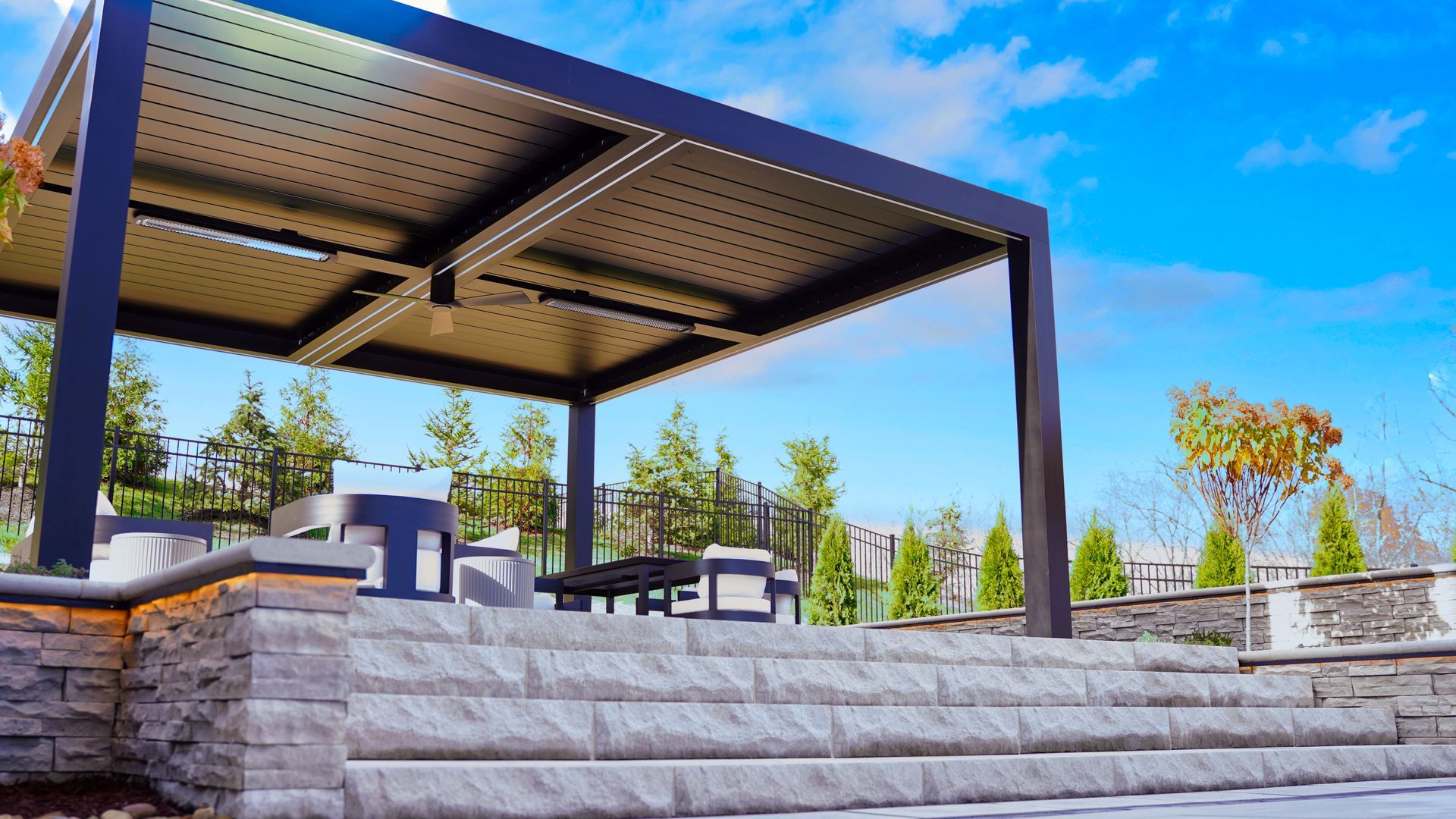
An outdoor seating area should feel like a natural extension of your backyard. You want a comfortable place to relax, spend time with family, or entertain friends, but you may not want a large roof or enclosed structure that changes the space's feel.
A pergola offers a practical way to create that balance. It helps define gathering areas, provides varying levels of shade, and keeps outdoor seating connected to the surrounding landscape.
For homeowners considering pergola installation in Pittsburgh, start the design with how the space will be used. A pergola over a patio seating area may need a different layout than one beside a swimming pool or near a fire feature.
The goal is to create a comfortable gathering area without losing the open-air experience that makes spending time outside enjoyable.
How Does a Pergola Provide Shade Without Making a Space Feel Enclosed?
A pergola creates an overhead framework that helps define an outdoor area while keeping the sides open. Unlike a fully roofed structure, a traditional pergola uses spaced beams or slats that let some sunlight through.
This design creates filtered shade rather than blocking the sun completely. It also maintains views of the sky, landscaping, and surrounding outdoor features.
For many homeowners, that balance is the main reason to choose a pergola instead of a pavilion or covered patio.
Several factors affect how much shade a pergola provides, including its orientation, height, overhead design, and position relative to the sun.
Traditional pergolas provide partial shade, while certain adjustable louvered systems allow homeowners to change the angle of the overhead panels. Depending on the system, those panels can provide more coverage or allow additional sunlight into the seating area.
A well-planned pergola does more than provide shade. It establishes a recognizable gathering space without requiring walls or separating the seating area from the rest of the backyard.
Designing a Pergola Around Outdoor Seating Areas
One benefit of a pergola is that it gives an outdoor seating arrangement a defined purpose.
Without a structure, furniture on a large patio can feel disconnected from the rest of the design. A pergola creates a visual boundary that defines the space for conversation, dining, or relaxation.
The key is to design the structure around the furniture and how people will move through the space.
Pergolas With Built-In Seating Walls
Seating walls are a useful addition to patios because they provide permanent places to sit while helping define the edges of an outdoor gathering area.
Adding a pergola above or beside a seating wall can make the arrangement feel more intentional.
For example, a low seating wall can form the back or side of a conversation area while a pergola defines the space overhead. Because the surrounding sides remain open, people can still see the yard, pool, or nearby landscaping.
When planning this combination, consider the distance between the pergola posts and the seating wall. Guests should have enough room to sit, stand, and move comfortably without posts interrupting the layout.
The structure should complement the seating arrangement rather than make the usable patio feel smaller.
Pergolas Over Lounge Furniture
Outdoor sofas, chairs, and coffee tables can also benefit from an overhead pergola.
A pergola can make a lounge area feel more like a dedicated outdoor living space while preserving the light and airflow that come with an open patio.
The pergola size should account for more than the furniture itself. Leave enough room to walk around the seating area and access nearby patios, gardens, or pool decks.
Placement matters as well. A pergola that provides comfortable shade during the morning may allow more direct sunlight into the space later in the afternoon.
Before finalizing the layout, consider when you'll use the seating area most often.
Can You Install a Pergola Near an Outdoor Fire Feature?
You can incorporate pergolas into outdoor living designs with fireplaces or fire pits, but placement requires careful planning.
An outdoor fire feature often serves as a seating area's focal point. Surrounding chairs or seating walls are typically arranged to encourage conversation while keeping people at a comfortable distance from the heat.
A pergola can help define a nearby gathering area and create a visual connection between the fire feature and the surrounding patio.
However, you shouldn't automatically install a pergola directly over a fire pit or fireplace.
Consider heat, smoke, ventilation, combustible materials, and manufacturer clearance requirements. The right separation depends on the fire feature type, the structure's materials, and applicable building and fire safety requirements.
In some designs, a better solution may be to position the pergola beside the fire feature rather than directly above it.
This arrangement can preserve the patio's open feel while giving homeowners a shaded seating area during the day and a separate place to gather around the fire in the evening.
Planning the pergola and fire feature together helps establish appropriate spacing before construction begins.
Pergola Installation Around Pools and Poolside Lounges
Poolside seating areas have different needs than a traditional backyard patio.
Some homeowners want lounge chairs in direct sun, while others prefer shade to rest between swims. A pergola can help create a designated relaxation area without blocking views of the pool.
Creating a Shaded Poolside Lounge
A pergola positioned near a pool can provide partial shade over lounge furniture, making it easier to create separate areas for swimming and relaxing.
For example, an open section of pool decking can remain available for sunbathing while a nearby pergola provides a more sheltered seating option.
This arrangement lets homeowners and guests choose where they want to spend their time without going indoors.
When deciding on placement, consider how people enter and exit the pool, where you'll store towels and other pool accessories, and which deck areas get the most direct sun.
The pergola should not interfere with pool access, required deck clearances, or important sightlines across the water.
Keeping Views of the Pool Open
A key part of poolside design is keeping clear views between gathering areas and the swimming pool.
A pergola's open sides can help preserve those views, especially when you position the support posts thoughtfully.
Avoid placing columns where they interrupt primary walking routes or create unnecessary visual barriers.
A pergola can help establish a distinct poolside lounge while keeping the seating area visually connected to the water, surrounding landscaping, and the home.
Clear sightlines also help adults observe activity around the pool, though an open view is not a substitute for active supervision or required pool safety measures.
Planning a Pergola Alongside a New Pool Installation
If you're considering a new backyard pool, plan the pergola during the initial design process rather than treating it as a later addition.
This allows the design team to coordinate the pool layout, patio dimensions, pergola placement, utilities, and landscape features.
It can also help avoid situations where the completed pool deck does not have enough room for the structure or where structural supports conflict with underground installations.
Homeowners planning a complete backyard project can explore Paladina's pool design and installation services to see how the pool and surrounding outdoor features can work together.
Choosing the Right Pergola Design for Your Outdoor Space
Not every pergola provides the same shade, and the right design depends on how you'll use the outdoor area.
A seating area intended for afternoon relaxation may need different sun coverage than a patio used primarily for evening gatherings.
Consider the Direction of the Sun
Sun exposure should influence pergola placement and overhead design.
For example, the low afternoon sun may reach beneath a pergola's overhead slats, even if the structure provides some shade around midday.
Evaluating sunlight at the times you expect to use the space can help you choose the right location and coverage.
Depending on the design, you may want to add additional shade elements or an adjustable overhead system.
Match the Pergola to the Patio and Home
A pergola should look like it belongs in the overall backyard design.
Its materials, color, dimensions, and architectural details should complement the home's exterior and surrounding hardscape.
A structure that is too large may overwhelm a small patio, while one that is too narrow may not provide useful coverage for the seating underneath.
The goal is to create a comfortable gathering area that feels connected to the property, not added on without a clear plan.
Think About Lighting and Evening Use
Outdoor seating areas are not limited to daytime use.
Lighting can make a pergola more useful in the evening, especially when it's near a pool, patio, or outdoor entertaining space.
Depending on the structure and electrical design, you may incorporate lighting into the pergola or install it around nearby pathways and landscaping.
A coordinated lighting plan can help people navigate between seating areas while creating a comfortable environment after sunset.
For more ideas, read Paladina's article on lighting's role in pool design.
Pergola or Pavilion: Which Is Better for Your Backyard?
Both pergolas and pavilions can create designated outdoor gathering spaces, but they provide different levels of overhead coverage.
A pergola is often a good choice when homeowners want filtered sunlight, an open view of the sky, and a lighter structure over their seating area.
A pavilion typically has a solid roof, making it better suited to outdoor areas where consistent overhead coverage is a priority.
For example, homeowners planning a covered outdoor dining area may prefer a pavilion, especially if they want better rain protection.
A pergola may be more appropriate for a poolside lounge or conversation area where the design calls for an open atmosphere.
Some adjustable pergola systems offer more overhead coverage, but their weather protection depends on the specific product and installation.
Neither option is automatically better. The decision should reflect how much coverage you need and how you want the backyard to feel.
For homeowners considering both pools and covered outdoor spaces, Paladina Pools & Landscaping offers pool installation, pergola design, and custom pavilion options for outdoor living projects in the Pittsburgh area.
What Should Pittsburgh Homeowners Consider Before Pergola Installation?
When planning pergola installation in Pittsburgh, the structure must fit the property, intended use, and local construction requirements.
The design should account for available usable patio space, support points, and whether the structure will be attached to the home or freestanding.
Pittsburgh-area properties may also have sloped yards, existing retaining walls, drainage considerations, or other landscape conditions that affect placement.
Weather conditions matter as well. A permanent outdoor structure needs appropriate foundations and structural design for applicable wind, snow, and other loads.
Depending on the property and project, building permits, zoning setbacks, and other local requirements may apply. Confirm these with the appropriate municipality before installation.
Homeowners should also consider how the pergola will connect with existing patios, walkways, seating walls, landscaping, and pool areas.
Planning these details early helps the finished structure feel like part of the backyard rather than a separate feature.
For homeowners who want to use their outdoor spaces during cooler months, Paladina also shares ideas in its article on fall outdoor living trends.
Frequently Asked Questions About Pergola Installation
Does a pergola provide enough shade for an outdoor seating area?
A pergola can provide useful shade for outdoor seating, but the amount depends on its overhead design, orientation, and the position of the sun. Traditional pergolas typically provide filtered shade. Adjustable louvered systems can offer greater control over sunlight.
Where is the best place to install a pergola near a pool?
The best location depends on sun exposure, pool access, patio space, and how you'll use the seating area. People often place a pergola beside the main swimming area to create a separate relaxing space while keeping open views of the pool.
Can you install a pergola over an existing patio?
In some cases, yes. However, you must evaluate the existing patio to determine whether it can support the required footings and connections. A typical patio slab should not be assumed to provide an adequate foundation for pergola posts.
Is a pergola better than a pavilion for poolside seating?
A pergola may be preferable when you want to keep an open view of the sky while creating partial shade. A pavilion is generally a better fit when consistent overhead coverage and rain protection are more important. The best choice depends on how you plan to use the seating area.
Who designs backyard pools with pergolas and pavilions near Pittsburgh?
Paladina Pools & Paladina Landscape Design Build provides custom pool installation and outdoor living design in the Pittsburgh area, including pergolas and pavilions. Working with a company that plans these features together can help coordinate the pool, surrounding patio, structures, and landscaping.
Should you plan a pergola before or after pool installation?
When possible, plan the pergola alongside a new pool. Early coordination allows the project team to consider structural supports, patio dimensions, utilities, shade, and walking routes before construction. You can also add pergolas to existing pool areas when site conditions allow.
Plan Your Outdoor Seating Area With Paladina Pools & Landscaping
A pergola can make an outdoor seating area more comfortable without changing the backyard's open character.
Whether you want to shade a conversation area, complement a seating wall, or create a separate poolside lounge, thoughtful placement changes how the finished space looks and functions.
Paladina Pools & Paladina Landscape Design Build works with homeowners on custom pools and outdoor living spaces, including pergolas, pavilions, patios, and related landscape features.
If you're considering pergola installation in Pittsburgh, explore Paladina's outdoor living design and installation services and contact the team to discuss a layout that fits your backyard and how you plan to use it.

Author: Matt Paladina
Matt Paladina, founder of Paladina Landscape Design Build and Paladina Pools, began his journey in 2006 with a small pickup truck and a big vision. Over the years, he has grown his business from basic lawn care to creating custom outdoor living spaces and pools, earning a reputation for innovative design and exceptional craftsmanship.